Reflective Triangle Saddle Bag + Strap: MTB & Road Fit
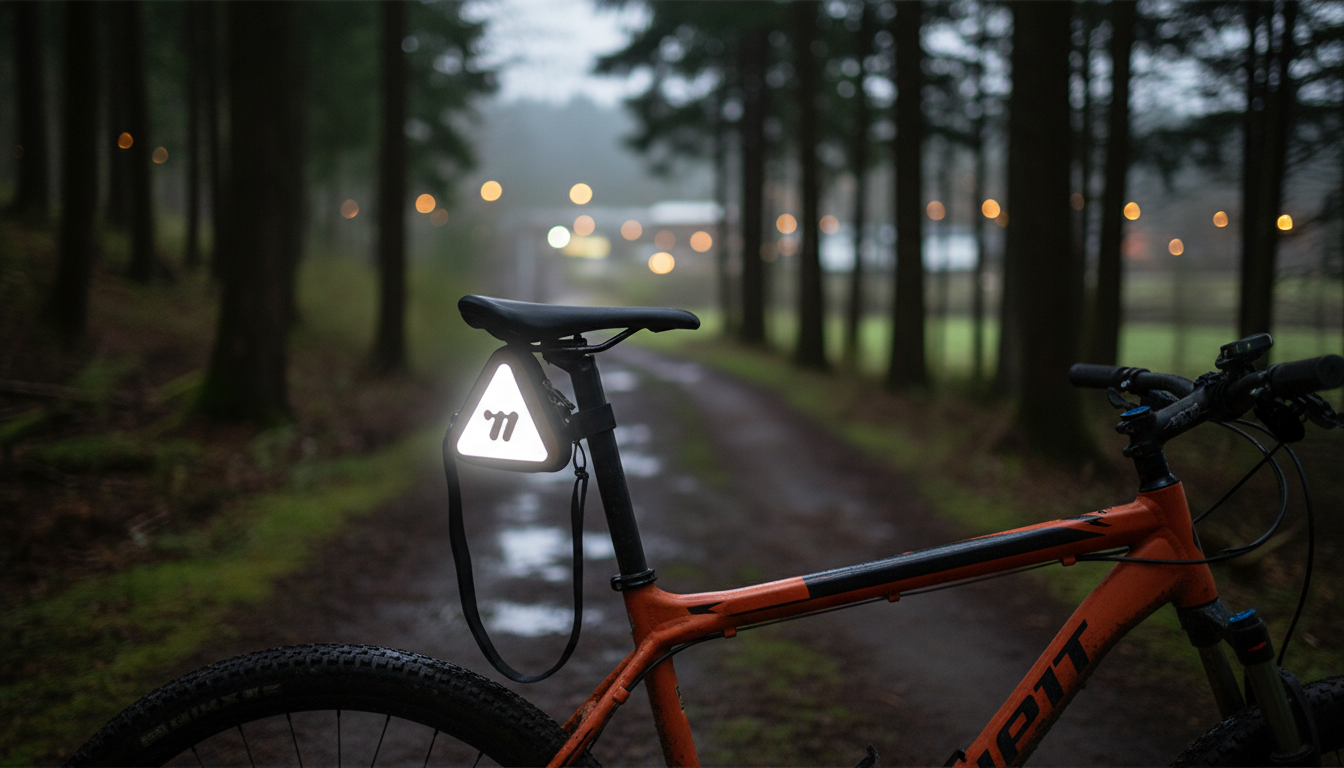
Reflective Triangle Saddle Bag with Shoulder Strap for MTB & Road Bikes
A compact triangle saddle bag is one of the easiest upgrades for keeping ride essentials secure without adding bulk or messing with your bike’s handling. This reflective model is built for day-to-night visibility, a stable mount on both MTB and road setups, and an off-bike carry option thanks to the included shoulder strap—handy when a quick stop turns into a longer break.
What Makes a Triangle Saddle Bag Practical
Triangle-style saddle bags take advantage of space that often goes unused near the saddle area. Instead of cramming items into jersey pockets or strapping loose gear to the frame, you get a dedicated spot for the essentials you actually want on every ride.
- Uses otherwise unused space near the saddle area to store small ride essentials
- Keeps weight close to the bike for more stable handling than pockets or loose straps
- Quick access for items like a mini tool, tire levers, patch kit, CO₂, keys, or a slim wallet
- Cleaner cockpit compared with larger top-tube or handlebar bags on short rides
If you like a minimalist setup—no jangling, no overloaded pockets—this style of bag helps keep the bike feeling “normal,” just more prepared.
Visibility and Night-Ride Confidence
Reflective detailing adds an extra layer of awareness for drivers and other riders, especially in low light when motion cues matter most. Reflective surfaces can make the bike’s movement and your position easier to recognize sooner—particularly when headlights hit at an angle.
- Reflective surfaces help drivers and other riders notice movement and position earlier in low light
- Works best when paired with an active rear light for true night riding
- Keep reflective areas clean; dirt and road film can reduce reflectivity
- Position the bag so reflective panels remain unobstructed by clothing or oversized saddles
For night riding, a reflective bag is a helpful supplement, not a substitute. Safety agencies emphasize visibility gear and proper lighting for riding after dark; see guidance from NHTSA and practical lighting/reflector basics from the CDC.
Fit and Compatibility for MTB and Road Bikes
A saddle bag is only “set-and-forget” if it’s mounted correctly. Before cinching everything down, do a quick clearance check to avoid rubbing and premature wear.
- Check saddle rail clearance and seatpost spacing before tightening straps
- Confirm tire clearance at full suspension compression (MTB) to avoid rubbing
- For aero seatposts, verify strap placement won’t slide or twist under vibration
- Aim for a snug, no-sway mount to prevent chafing on the seatpost or saddle rails
A good rule: after installation, grab the bag and try to rock it side-to-side. If it moves easily, re-route the straps for a tighter angle, then re-check after the first ride as materials settle.
Capacity Planning: What It Can Carry
A compact saddle bag shines when you pack with intention. It’s ideal for the items that turn a minor issue into a non-event: a tube, quick inflation, a small multi-tool, and a couple of personal essentials.
- Best for compact essentials: repair items, small first-aid, and personal valuables
- Pack heavier items closest to the attachment points to reduce bounce
- Use small pouches or zip bags inside to prevent rattling and keep items organized
- Avoid overstuffing; it can strain zippers and reduce stability
Example Packing List for a Compact Saddle Bag
| Use case | Recommended items | Notes |
|---|---|---|
| Road ride (1–2 hours) | Tube, 2 tire levers, CO₂ + inflator head, mini tool, card/cash | Keep CO₂ protected to avoid rubbing the tube |
| MTB trail loop | Tube or plugs, mini tool, quick link, tire lever, small first-aid | Add a small zip bag to keep dust out |
| Commute | Spare tube, mini tool, keys, small lock cable, snack | Consider a rear light mount location before packing |
| Event/Group ride | Tube, CO₂, quick link, nitrile gloves, ID/medical info card | Place the ID card in an easy-to-reach pocket/slot |
Shoulder Strap Use Off the Bike
The shoulder strap is a small detail that can make a big difference on mixed rides—coffee stops, errands, transit, or any situation where you’d rather keep your essentials on you than on the bike.
- Shoulder strap makes it easier to carry essentials into a café, shop, or transit station
- Remove and reattach carefully to avoid twisting straps that can cause sway while riding
- For quick stops, keep the strap adjusted so the bag sits flat against the body
- If riding rough terrain, stow the strap to prevent flapping
Care, Weather Protection, and Longevity
Product Snapshot: Reflective Triangle Saddle Bag with Shoulder Strap
Reflective Triangle Saddle Bag with Shoulder Strap for MTB & Road Bikes
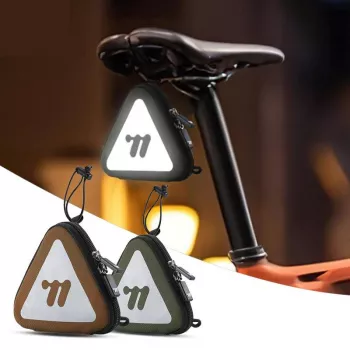
Also In Stock (Off-Bike Options)
FAQ
Will a triangle saddle bag fit on both MTB and road bikes?
Most do, as long as the straps can tighten securely around the saddle rails and seatpost without rubbing. On MTBs, confirm tire clearance at full suspension compression; on road bikes, check that the bag won’t interfere with a rear light mount or an unusually large saddle.
Is reflective material enough for night riding?
Reflective material improves visibility when lights hit it, but it’s not a replacement for a powered rear light. For best results, keep reflective panels clean and pair them with an active light so you’re visible even when there’s no headlight beam behind you.
How do you stop a saddle bag from swaying or bouncing?
Tighten and re-route straps so the bag sits snug with minimal side-to-side play, then recheck tension after the first ride. Balance the load by putting heavier items near the attachment points and avoid overstuffing, which can force the bag to bulge and sway.







Leave a comment